Wood vs Vinyl Fence on the SouthCoast: The Real Long-Term Cost
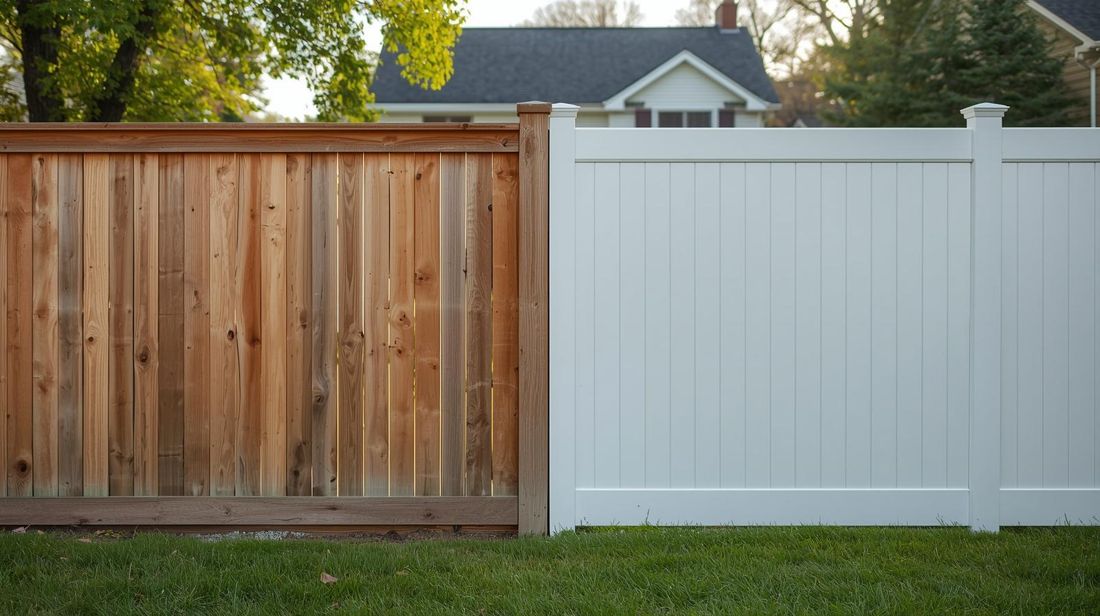
Fence shopping looks like a simple price comparison: wood costs less per foot, vinyl costs more, done. But a fence is a 15-to-25-year decision sitting in sun, salt air and freeze-thaw, and the sticker price tells you almost nothing about what it actually costs to own on the South Coast.
The reframe: you're not buying a fence. You're buying 20 years of a fence. Price it that way and the comparison flips more often than people expect.
Tools you'll need for this job
If you want to do it yourself, here are the tools you'll need:
As an Amazon Associate, SouthCoast Contractors earns from qualifying purchases.
The two real costs of any fence
Wood, lower upfront, ongoing upkeep. A wood fence costs less to install and looks great on day one. But near the coast it pays rent: staining or sealing every few years, boards that cup and gray, and posts that rot at the ground line where moisture sits. Done right and maintained, it lasts; ignored, it's tired in a decade.
Vinyl, higher upfront, near-zero upkeep. Costs more to install, but it doesn't rot, doesn't need staining, and shrugs off salt air and moisture, the exact things that age a coastal wood fence. The trade-off is look (some prefer real wood) and the fact that a cracked panel is replaced, not repaired.
How they actually compare over 20 years
Run the real math and it's about upkeep. Wood's lower install cost gets chipped away by staining cycles and the occasional rotted post or section. Vinyl's higher install cost is mostly the whole cost, there isn't much after it. Near the water, where wood ages fastest and maintenance matters most, vinyl's lifetime cost often wins; inland or on a budget, well-maintained wood holds its own.
The refrain: price the upkeep, not just the install
Every fence quote is half the story. The other half is what you'll spend keeping it standing and looking right for two decades. On the coast, that second half is where wood and vinyl actually separate.
Where this breaks
Cheap posts on either material. The fence fails at the posts first. Skimp on post depth or footing and even vinyl leans after a few freeze-thaw winters. Posts below the frost line, set right, are non-negotiable.
Skipping the permit and the property line. Most South Coast towns require a fence permit, and building on a guessed property line is how neighbor disputes (and teardowns) start. Confirm both.
Untreated wood at the ground. The ground line is where coastal moisture does its work. Ground-contact-rated material and proper drainage decide how long a wood fence really lasts.
The bottom line
There's no universal winner, there's a winner for your property. If you love real wood and don't mind the upkeep, wood is a fine, often cheaper choice. If you want to install it and forget it, especially near the water, vinyl's higher price buys 20 quiet years. Just compare them over the full lifespan, not the install day.
Anyone can quote the install. The coast charges you for the upkeep. Price the whole 20 years.
For fencing and outdoor work, compare crews like CREATE Building and Landscaping on the Cape and contractors across Wareham and Dartmouth. Related: the real cost of salt air on coastal homes.
Tools & parts for this fix
Setting posts yourself? You'll want:
As an Amazon Associate, SouthCoast Contractors earns from qualifying purchases. Prices and availability are set by Amazon.
Find a contractor on the SouthCoast
Browse vetted general contractors serving New Bedford, Dartmouth, Cape Cod and the rest of the South Coast, or list your business.