
What a Home Addition Really Costs on the SouthCoast
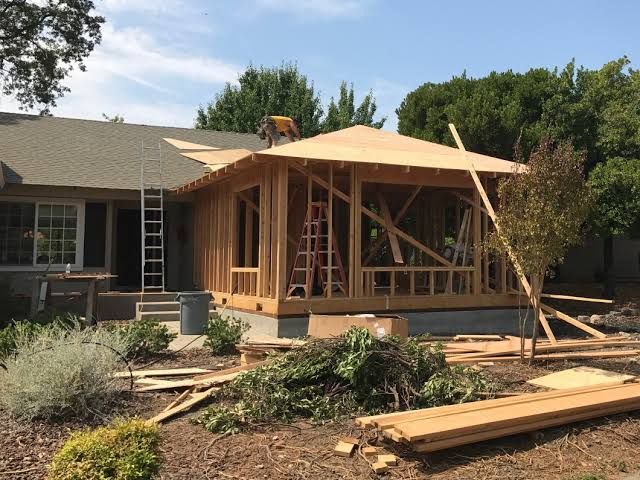
Adding on is the dream for a lot of South Coast families who love their neighborhood but have outgrown the house: a bigger kitchen, a primary suite, a family room, an in-law space. It's also the project homeowners understand the least going in, because the number that matters isn't the one everyone asks about.
The reframe: additions aren't really priced by the square foot. They're priced by the hard parts, the foundation, the tie-in to the existing house, and what the kind of room demands. Two additions of the same size can cost wildly different amounts.
What actually drives the cost
The kind of room, the biggest lever. A bump-out family room with no plumbing is one thing. A kitchen or a bathroom addition is another entirely, because plumbing, venting and fixtures cost real money. A primary suite with a bath lands in between. The same square footage swings dramatically based on what's inside it.
The foundation and the structure. An addition needs a foundation, a slab, a crawlspace, or a full basement, and our freeze-thaw climate means real footings below the frost line. Going up (a second story) means proving the existing structure can carry it. Going out means new foundation. Neither is cheap, and it's mostly invisible in the finished room.
The tie-in, the underestimated part. Where new meets old is where additions get expensive and tricky: matching the roofline, blending siding so it doesn't look bolted on, connecting to the existing heating, electrical and plumbing, and dealing with whatever the old house reveals when you open it up. On an older South Coast home, the tie-in is where the surprises live.
Where the budget really goes
Homeowners picture the finishes, the cabinets, the floors, the paint. But on an addition, a large share of the money is spent before the room looks like anything: design and engineering, permits, foundation, framing, roof, and getting the new space weather-tight and connected to the house's systems. The pretty part is the last and smallest slice.
The refrain: budget for the connection, not just the room
The new room is the easy part to imagine and the easy part to build. The foundation under it and the seam where it joins the old house are where the cost and the craftsmanship actually are. Budget for the connection, not just the square footage.
Where this breaks
Pricing it off a per-square-foot number from the internet. National averages ignore your foundation, your tie-in, and whether there's a bathroom in it. Get a real local quote.
Skipping design and engineering. An addition is a structural project that needs proper plans, a permit, and a CSL holder. This isn't the place to wing it.
Forgetting the contingency. Tying into an old house guarantees surprises. Carry 15-20% you don't touch, same rule as any older-home remodel.
The bottom line
An addition is the most powerful way to make a home you love fit your life, and the most misunderstood project on the list. Its cost lives in the foundation, the structure, and the tie-in, not the square footage or the finishes. Understand that and the quotes you get will finally make sense.
You're not buying a room. You're buying a foundation, a connection, and then a room. Budget in that order.
Additions are full-service builder territory, compare experienced firms like Long Built Homes, Cataldo Custom Builders and South Coast Improvement Company, and browse Dartmouth and Marion. Related: the hidden costs of a remodel and how to verify a Massachusetts contractor.
Find a contractor on the SouthCoast
Browse vetted general contractors serving New Bedford, Dartmouth, Cape Cod and the rest of the South Coast, or list your business.