
Is a Tile Backsplash a Weekend DIY or a Contractor Job?
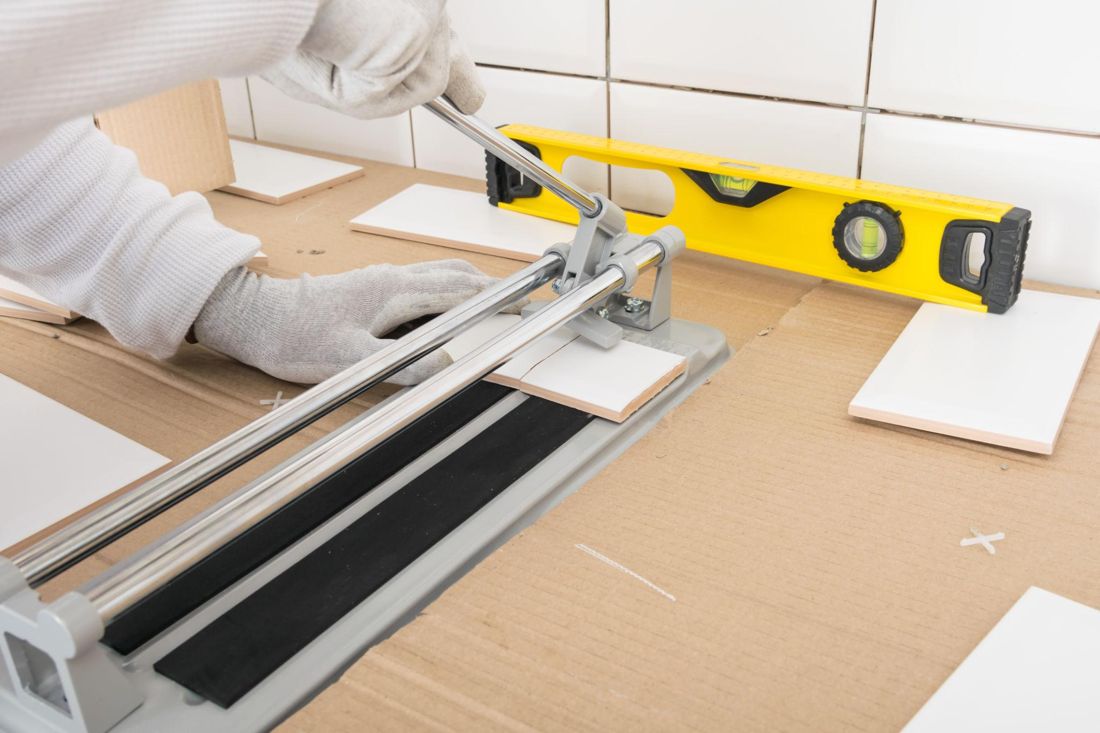
A tile backsplash is one of the highest-impact, lowest-cost upgrades in a kitchen, and it's squarely on the list of projects homeowners love to DIY. Most of the time, that's the right call. But "backsplash" covers everything from a stick-on panel to a herringbone-tile wall around three outlets and a window, and those are very different weekends.
The reframe: the tile isn't what makes a backsplash hard. The edges are. The flat field in the middle is easy; the outlets, corners, and the line where tile meets cabinet are where DIY jobs are won or lost.
Tools you'll need for this job
If you want to do it yourself, here are the tools you'll need:
- Notched tile trowel
- Tile spacers (assorted)
- Manual tile cutter
- Grout float
- Electrical outlet box extenders
As an Amazon Associate, SouthCoast Contractors earns from qualifying purchases.
The green-light backsplash
DIY it with confidence when most of these are true:
Simple, larger tile, subway tile or large squares cover ground fast and forgive small errors. A straightforward run, mostly flat wall, few outlets, no window to tile around. A flat, sound wall behind it. And the patience to do the prep, measuring, a level layout line, and clean grout lines. This backsplash is a genuinely satisfying weekend and a real money-saver.
The call-someone backsplash
Lean toward a pro when you see:
Small or patterned tile, mosaic, herringbone, penny round. The grout lines multiply and every wobble shows. Lots of obstacles, multiple outlets (which need careful cutting and often spacer adjustments to meet code), a window, an odd corner, open shelving. Natural stone, it's less forgiving, needs sealing, and chips if you cut it wrong. Or a wall that isn't flat, common in old South Coast homes, and it turns a simple tile job into a fight.
The refrain: the middle is easy, the edges are the job
Anyone can set a tile on a flat wall. The skill, and the time, lives at the outlets, the inside and outside corners, the end caps, and the seam where tile meets the underside of the cabinets. Look at those spots, not the field, to judge whether it's your weekend or a pro's afternoon.
Where this breaks
Outlets that don't get extended. Tile adds depth, and outlets need box extenders to sit flush and stay code-compliant. Skipping this is the classic DIY tell (and a safety issue).
No layout plan. Starting at one end and hoping it comes out even at the other leaves a sliver of cut tile in the worst spot. Pros plan the layout so the cuts land where you won't notice.
Grout and sealing shortcuts. Wrong grout, or unsealed natural stone, near a sink and stove means stains and failure. The finish matters as much as the setting.
The bottom line
A simple, large-tile backsplash on a flat wall is one of the best DIY projects in the house. A small-tile, many-outlet, natural-stone backsplash on a wavy old wall is a job that looks easy and humbles people every weekend. Judge it by the edges, not the tile.
The field is the easy part. The edges are the job. Look at the outlets before you pick up the trowel.
For the trickier backsplashes, or a flawless result, compare tile and finish pros like Fornalski Construction and kitchen specialists like South Coast Kitchen & Bath. Related: DIY vs contractor: where to draw the line.
Tools & parts for this fix
If you're tackling it this weekend, you'll want:
- Notched tile trowel
- Tile spacers (assorted)
- Manual tile cutter
- Grout float
- Electrical outlet box extenders
As an Amazon Associate, SouthCoast Contractors earns from qualifying purchases. Prices and availability are set by Amazon.
Find a contractor on the SouthCoast
Browse vetted general contractors serving New Bedford, Dartmouth, Cape Cod and the rest of the South Coast, or list your business.